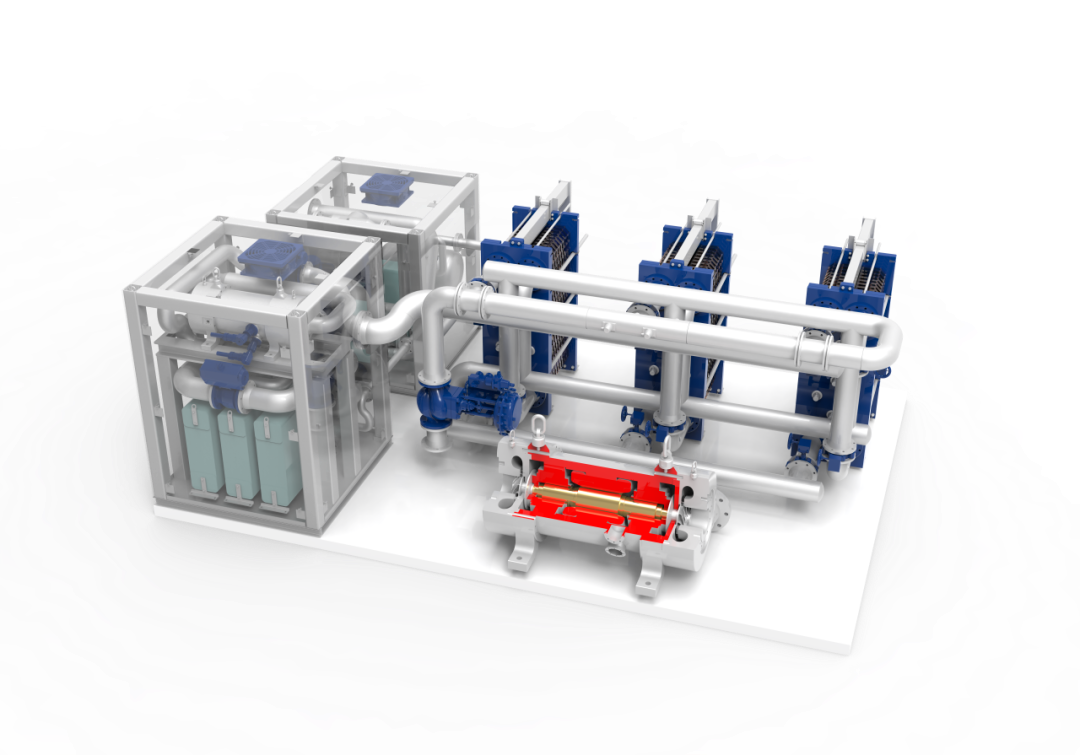


On April 9, Shanghai QiYao Environmental Technology Co., Ltd., a subsidiary of the Shanghai Marine Diesel Engine Research institute (SMDERI) of China State Shipbuilding Corporation (CSSC), signed two major procurement contracts with CSSC Guangzhou Shipyard International Co., Ltd. The contracts pertain to the LNG supply system for Evergreen Marine’s 14,000 TEU container ship and the waste heat recovery system for the FHL 1,600-passenger/2,400-lane ro-pax vessel.
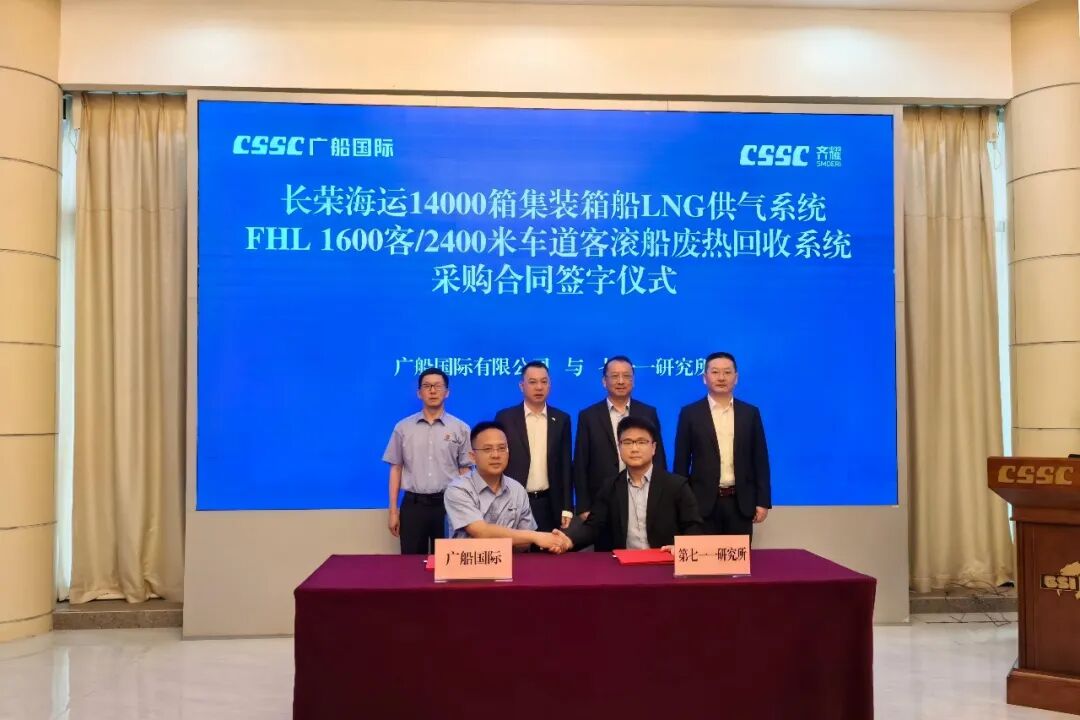
It is understood that in recent years, Shanghai QiYao Environmental Technology and Guangzhou Shipyard International have continuously deepened their cooperation, gradually expanding from marine desulfurization and denitrification systems and conventional power system integration to emerging fields such as marine waste heat utilization and new energy power systems, with a total of over 100 projects delivered. This signing marks a new stage in the cooperation between the two parties in the field of ship energy conservation and emission reduction.
Currently, the global shipping industry is accelerating its green transformation, and energy conservation and emission reduction have become core issues for industry development. Shanghai QiYao Environmental Technology has been deeply involved in the fields of marine power and energy conservation and environmental protection for many years, possessing mature experience in the mass delivery of alternative fuel supply systems such as LNG, methanol, and ammonia. It can provide customized, integrated technical solutions for different ship types, helping shipping fleets achieve emission reduction targets from the source of fuel.
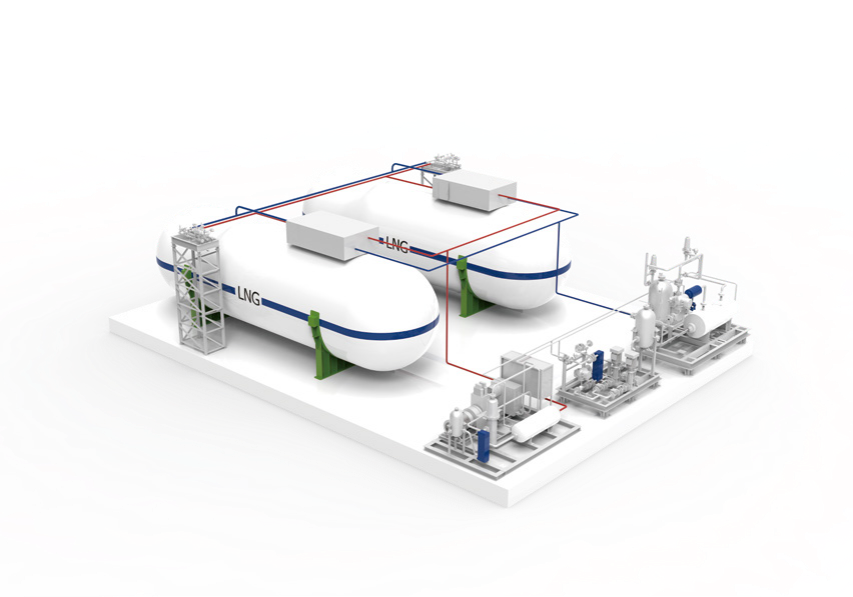
The FHL 1600-passenger/2400-meter lane ro-pax vessel waste heat recovery system marks the first application of this type of system in the domestic ro-pax vessel sector. Developed by Shanghai QiYao Environmental Technology, the waste heat recovery system efficiently integrates the waste heat generated during ship operation, providing stable heat energy to end users such as the ship’s air conditioning system. This effectively reduces ship energy consumption, achieving both energy conservation and environmental protection benefits. The implementation of this project will effectively fill a gap in the application of related technologies.