


Eastern Pacific Shipping (EPS), a Singapore-based company owned by Israeli shipping magnate Idan Ofer, has placed an order for container ships at a Japanese shipyard for the first time in four years.
Market sources report that EPS has signed contracts with Imabari Shipbuilding, Japan’s largest shipbuilding group, for the construction of two 9,000-TEU container ships and two 6,000-TEU container ships. The total estimated cost is approximately $360 million, and delivery is expected to begin in 2030.
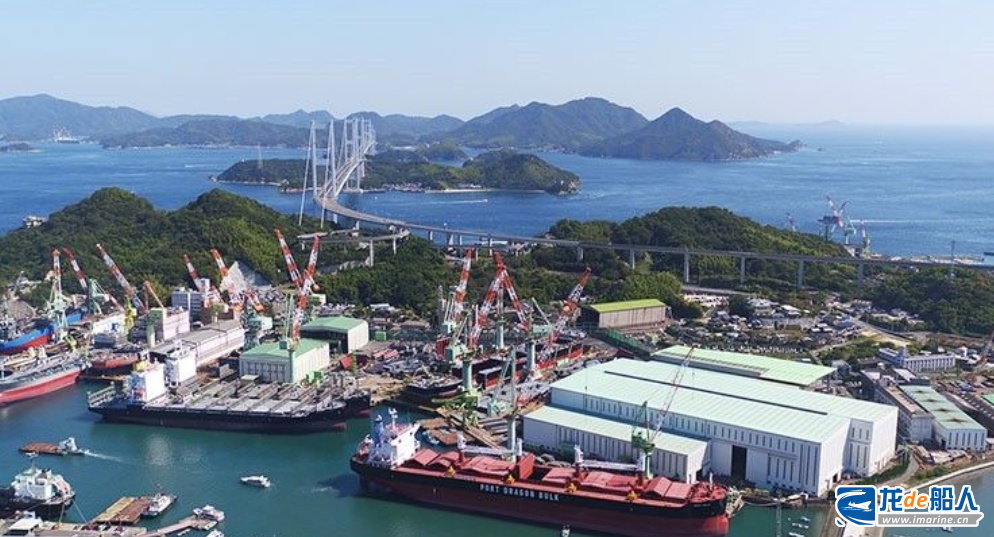
It is worth noting that this marks the first time in four years that EPS has chosen a Japanese shipyard to build container ships. According to previous reports, the shipping company’s last order for container ships from a Japanese shipyard was in the first half of 2022, when Imabari Shipbuilding built four 5,920-TEU container ships for the company. That batch of container ships was delivered in 2024 and is currently operating under long-term charter contracts.
In recent years, the vast majority of new shipbuilding projects for EPS—spanning sectors such as container ships, oil tankers, bulk carriers, car carriers, and gas carriers—have been awarded to Chinese shipyards. Shipyards under China State Shipbuilding Corporation (CSSC) and China Merchants Industry, as well as Hengli Heavy Industries, New Times Shipbuilding, and the Mawei Shipbuilding/Xiamen Shipbuilding Heavy Industry group, all hold orders for ships under construction for EPS. Meanwhile, shipyards in South Korea and Japan have secured only a small number of orders for gas carriers and bulk carriers from the company.
Taking its container ship program as an example, data from shipbrokers indicates that—following the announcement of four additional newbuilds—EPS’s orderbook for container ships has grown to 64 ships, with a total value exceeding $5.5 billion. Approximately 60 of these ships are currently under construction at Chinese shipyards.
The decision by Eastern Pacific Shipping to place orders with Japanese shipyards is largely driven by delivery schedules at Chinese and South Korean yards. The shipbuilding market is currently booming, with a surge in new orders across various vessel types effectively filling up delivery slots at major Chinese and South Korean shipyards through 2028–2029. Consequently, there are very few delivery slots available for major global liner companies looking to renew their fleets toward the end of this decade.
The shift by EPS to place orders with a Japanese shipyard is largely driven by delivery schedules at Chinese and South Korean yards. Due to a booming shipbuilding market and a continuous influx of new orders across various ship types, the delivery slots at major Chinese and South Korean shipyards are now fully booked through 2028–2029.
Meanwhile, major South Korean shipbuilders—such as HD Hyundai Heavy Industries and Hanwha Ocean—are employing an order-selection strategy that prioritizes high-value-added vessels, specifically liquefied natural gas (LNG) carriers and large or ultra-large container ships. Consequently, liner operators looking to commission medium-sized container ships face multi-year wait times if they choose to place orders with these yards. This is one of the factors that has prompted Eastern Pacific Shipping to shift its newbuild orders to Japan.
However, against the backdrop of a generally favorable global newbuilding market, the delivery dates for the four new vessels ordered by EPS from Imabari Shipbuilding are also scheduled for four years from now. Imabari Shipbuilding’s latest annual report shows that its order book totals 81 vessels/4.06 million deadweight tons, which fully covers its shipbuilding capacity for the next four years, with some slots extending into 2030. In light of this, some shipbrokers believe that EPS’s investment in these new vessels is of a “speculative” nature.