


Indian media reports indicate that the State-Owned Shipping Corporation of India (SCI) has issued a tender for the construction of 22 vessels of various types, with a total investment of up to $3.2 billion. The specific vessel types are as follows:
A tender has been issued for the construction of eight 88,000 m³ Very Large Gas Carriers (VLGCs), capable of transporting butane, propane, liquefied petroleum gas (LPG), and ammonia. According to earlier reports, the total cost for the eight VLGCs is approximately $950 million. Upon delivery, the vessels will be chartered by Indian Oil Corporation (IOC), Bharat Petroleum Corporation Limited (BPCL), and Hindustan Petroleum Corporation Limited (HPCL)—with 4 vessels allocated to IOC, 2 to BPCL, and 2 to HPCL.
A tender has been issued for the construction of six 18,000 TEU container ships. Upon delivery, two of the vessels will be allocated to SCI, while the remaining four will belong to a proposed entity—Bharat Container Shipping Line—which is being established through a joint effort involving SCI, the Container Corporation of India, and the Sagarmala Finance Corporation, among other stakeholders.
A tender has been issued for the construction of six 8,000 TEU container ships and two 155,000 DWT Suezmax oil tankers; upon delivery, all these vessels will belong to SCI.
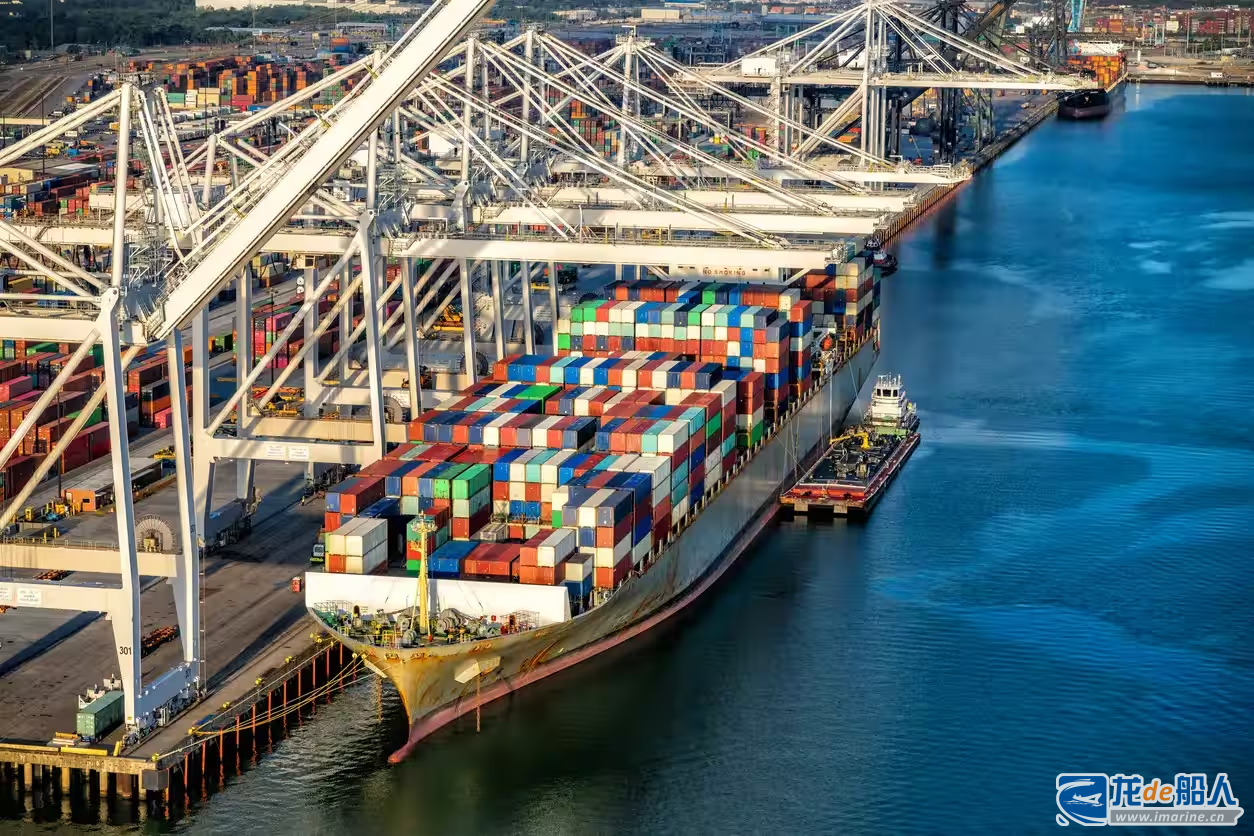
According to reports, the most notable aspect of SCI’s latest vessel procurement plan lies in the additional terms attached to the tender. The intent behind these provisions is clear: for overseas shipyards to secure orders for new vessels, they must invest in establishing facilities in India and/or share shipbuilding technology with domestic Indian shipyards—a strategy aimed at advancing India’s shipbuilding industry further up the value chain.
Taking the tender for eight VLGCs as an example, SCI has explicitly stipulated that only international shipyards—those that have delivered at least three VLGCs, VLECs (Very Large Ethane Carriers), and/or LNG carriers within the past five years, and that plan to construct VLGCs at a shipyard in India (either self-owned or established by them)—are eligible to submit a bid. Should an eligible international shipbuilder win the tender, it will be responsible for constructing two of the VLGCs, while the remaining six must be built at an Indian shipyard controlled by that same international entity.
Indian media point out that the additional tender conditions set by SCI are intended to provide domestic shipyards with opportunities to build larger and more complex vessel types, thereby supporting India’s shipbuilding ambitions: to rank among the world’s top ten by 2030 and the top five by 2047.
To achieve this goal, India is advancing its shipbuilding industry through a multi-pronged approach, including directing new vessel orders to domestic shipyards, seeking partnerships with overseas shipyards, and providing policy support. The various shipbuilding projects currently being pursued by SCI serve as a concrete manifestation of this commitment to fostering the growth of India’s shipbuilding sector.